Heinz “Look Familiar?”: How Fry Boxes Became Free Ads

Guerrilla Marketer
- November 27, 2026
- 6 Min Read
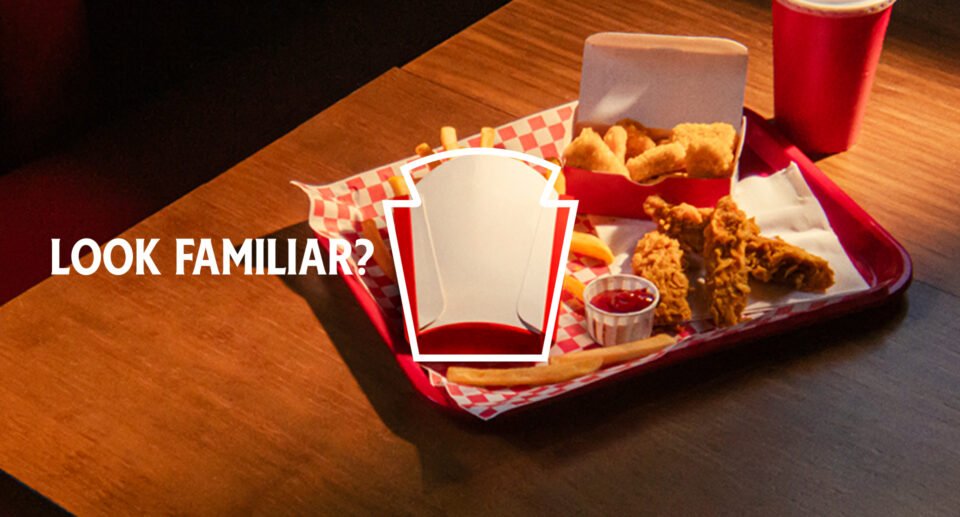
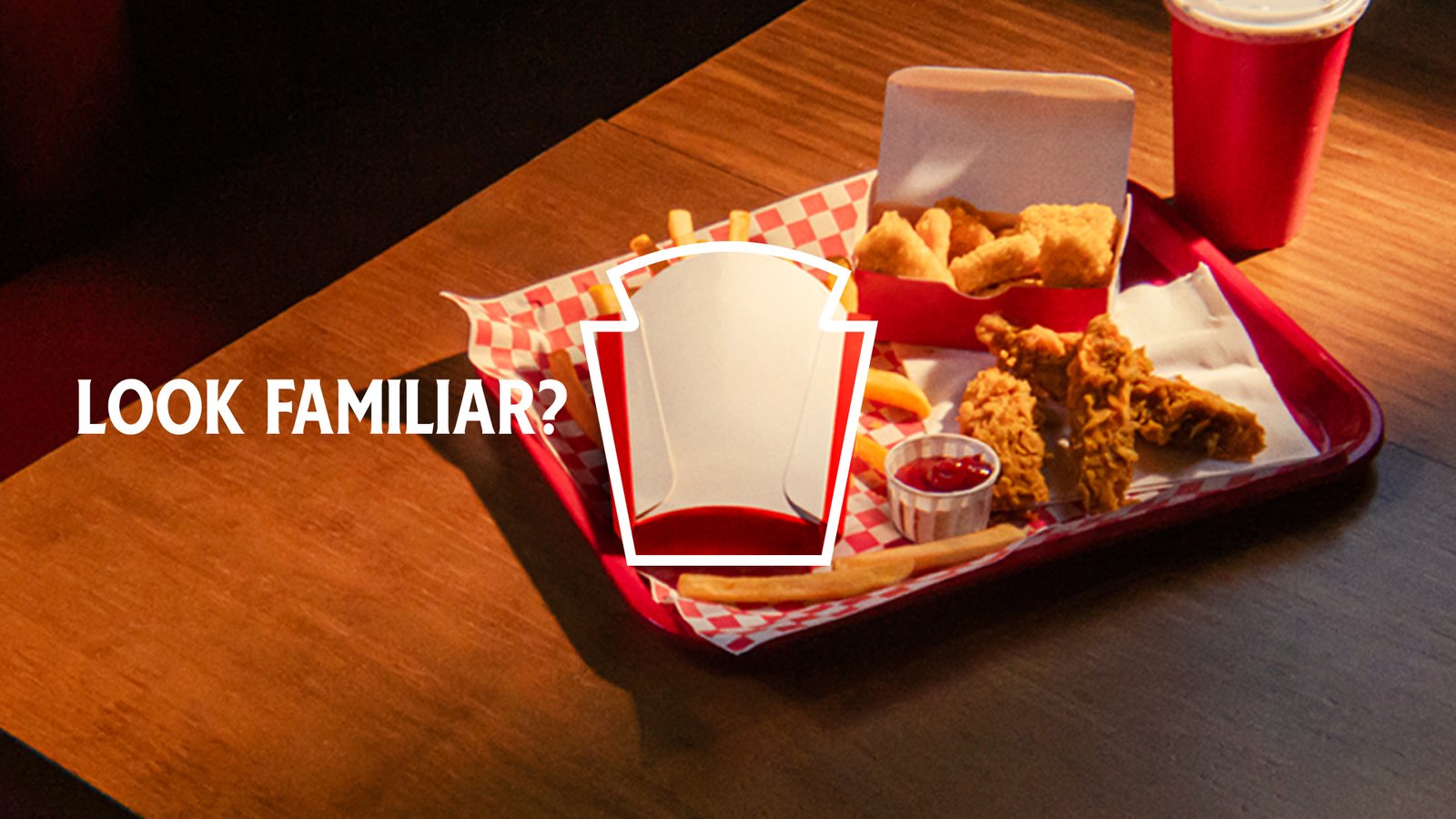
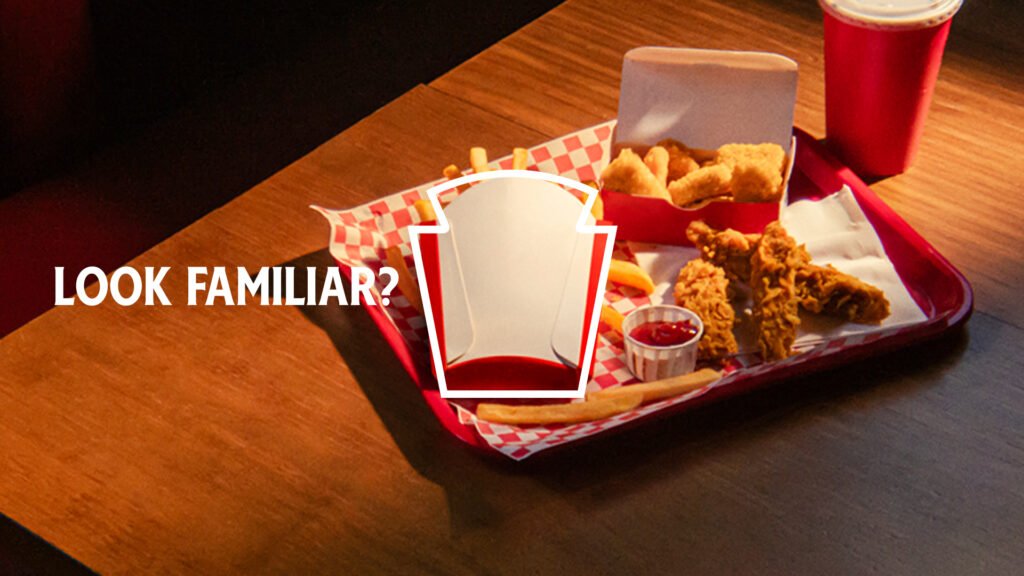
Look at a paper fry box. Wide at the top, narrow at the bottom, with angled sides. Now picture the Heinz label. Same shape.
Heinz did not design a new pack or build a giant stunt. It pointed at millions of fry boxes that already existed and asked one question: “Look Familiar?”
That question won the Print & Publishing Grand Prix at Cannes Lions 2026. Here is how a two-word line turned every fast-food counter on earth into free brand space.
The Problem
Ketchup is a crowded shelf. Store brands sit right next to Heinz, usually cheaper, and when prices rise people trade down. According to Reason Why’s coverage of the award entry, Heinz was losing share as inflation squeezed shoppers’ budgets.
There was a second, quieter problem. People say “fries and ketchup,” not “fries and Heinz.” The brand owns the bottle on the table at home, but at a restaurant or on a delivery order the ketchup is often whatever comes in the bag. Heinz needed people to ask for it by name.
The Insight
The creative team noticed something hiding in plain sight. Fry boxes around the world, from small takeaways to big chains, are cut in a shape that mirrors the Heinz Keystone, the shield-like outline on every Heinz label.
Nobody at Heinz designed those boxes. That is the point. If the most common fries container in the world already looks like your logo, you can claim fries without saying much at all. Rethink creative director Jacquelyn Parent told DesignRush that fry boxes could come in any shape, yet they keep landing on the Keystone.
The Idea
Show fry boxes. Add the line “Look Familiar?” Let people make the connection themselves.
The ads lean on recognition instead of explanation. There is no long copy about taste or quality. The viewer sees a red-and-white box of fries, notices the outline, and fills in the brand. That small moment of “oh, right” does the selling, and it sticks better than a claim would.
Nina Patel, Vice President of the global Heinz brand, framed it as “proving that fries don’t just need any ketchup, they need HEINZ.”
Execution
Kraft Heinz launched the campaign on 9 September 2025 across eight markets: the US, Canada, Mexico, the UK, Brazil, Germany, the UAE and China. It ran as a full mix:
- Print and outdoor. Clean visuals of fry boxes from different restaurants and countries, each echoing the Keystone. Full-page newspaper ads ran in titles such as the Boston Globe, Boston Herald and New York Daily News.
- Film and social. Long-form video plus paid social on Instagram, X and TikTok, with influencers and creators picking up the theme.
- Uber Eats tie-in. In select markets, people ordering fries on Uber Eats could get half off a bottle of Heinz Ketchup. The release cites Uber Eats data naming fries the most ordered food item on the platform globally.
- Restaurant activation. In Los Angeles, Carl’s Jr. customers spending $30 or more got free fries and Heinz Ketchup while supplies lasted.
The shoppable pieces matter. The ads plant the idea “fries mean Heinz,” and the Uber Eats offer gives people a way to act on it in the same moment they are ordering fries.
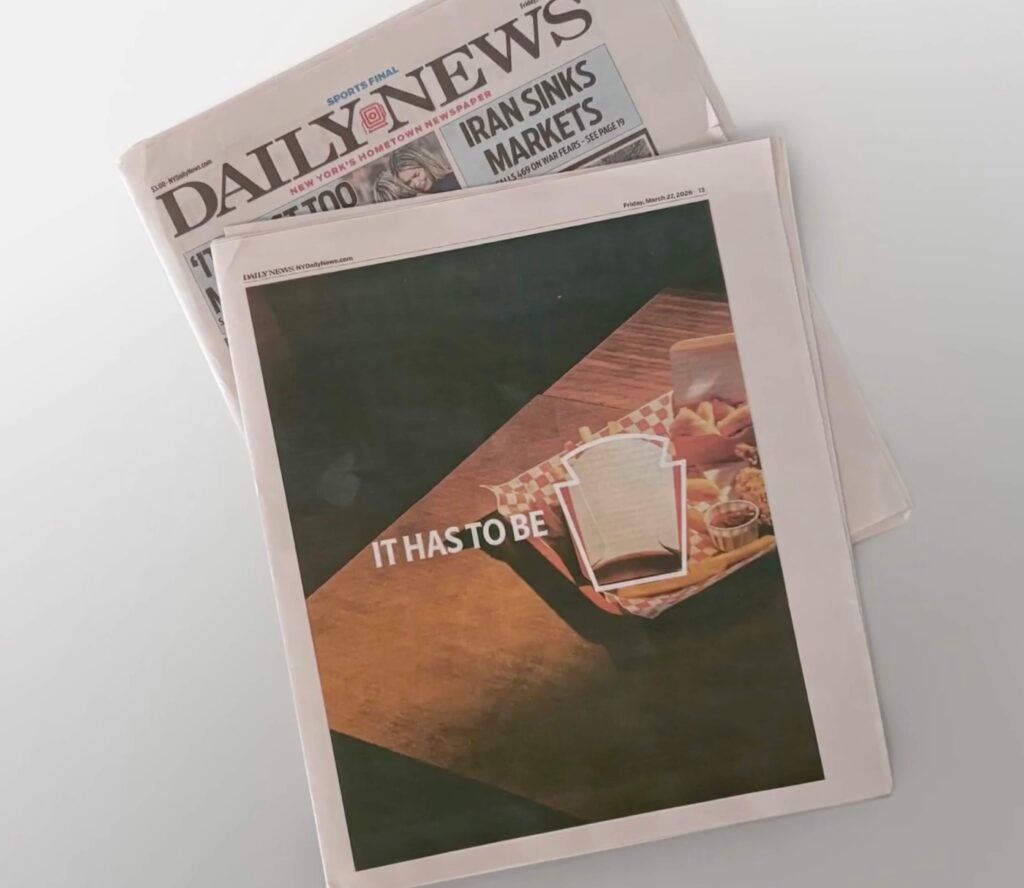
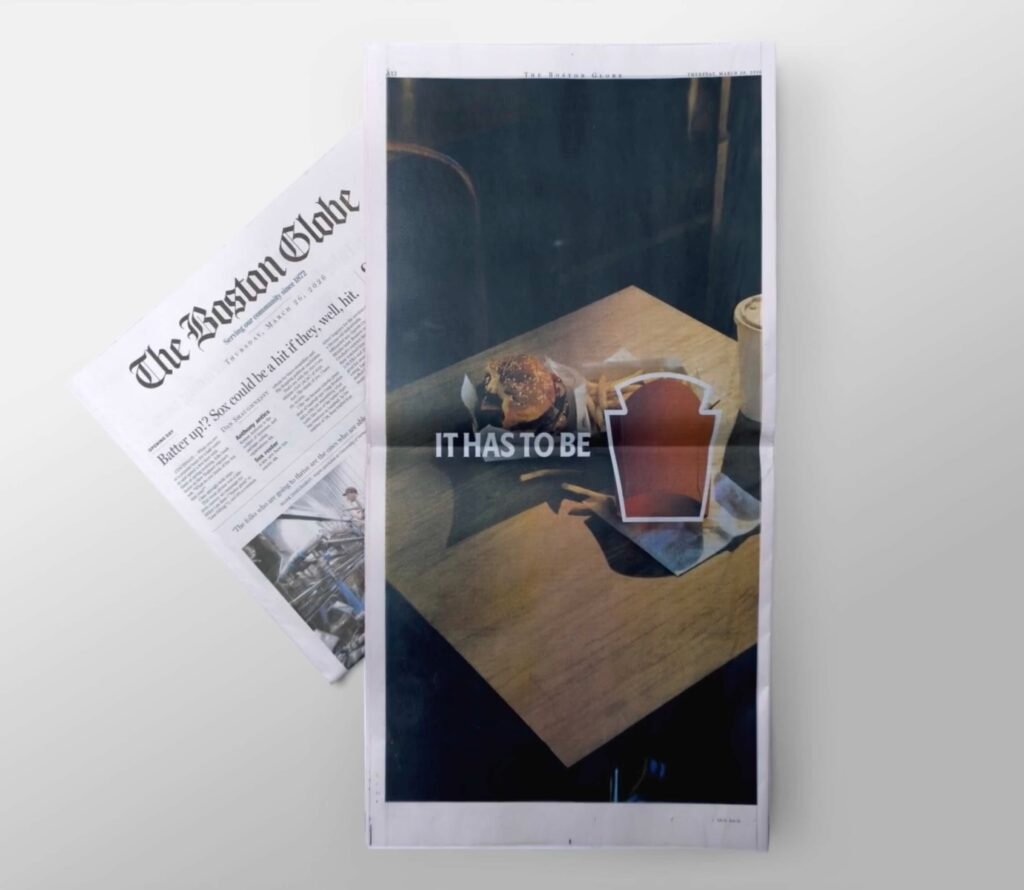
Images and video: Heinz / Kraft Heinz, created by Rethink. Video from the official Heinz YouTube channel.
Results
The campaign won the Print & Publishing Grand Prix at Cannes Lions 2026. Reason Why reported that jury president Jessica Apellaniz praised the brand’s presence rather than the product’s.
Reason Why also reported the headline results from the entry: 1.6 billion impressions and a 222% rise in sales on delivery platforms in the US. Kraft Heinz’s own launch release does not include results, and we could not find a full official results breakdown, so treat these as the figures reported in award coverage.
Why It Worked
It used media the brand did not pay for
Fry boxes are everywhere. Once you see the Keystone in them, every box becomes a small Heinz reminder, at no cost to Heinz.
It asked a question instead of making a claim
“Look Familiar?” invites the viewer to finish the thought. People remember the conclusions they reach themselves far better than lines they are told.
It built on a long-running brand asset
Heinz has spent years training people to recognise the Keystone, including the “It Has To Be Heinz” platform from 2023. This idea only works because the shape is already famous.
It closed the gap to purchase
The Uber Eats discount and the Carl’s Jr. offer turned a clever observation into an order. Awareness and action ran side by side.
How a Small Business Can Copy This
You do not need a famous logo to borrow this thinking. You need a shape, colour or object your customers already see every day.
1. Find your shape in the wild
Does your logo, sign or product look like something common in your area: a road sign, a coffee lid, a local landmark? Photograph ten real examples and post them as a series with a short line like “Seen us yet?”
2. Turn a neighbour’s product into your reminder
A bakery near a coffee shop could print a simple card: “That cup looks lonely.” Tie it to a small offer, like 10% off a pastry with any coffee receipt from next door. Ask the coffee shop first; partners beat rivals.
3. Pair the joke with an instant offer
Heinz did not stop at the ad. Whatever your visual idea is, attach one easy action: a QR code, a code word at the till, or a delivery-app promo. A smile is nice; a sale is better.
FAQ
Who created the Heinz "Look Familiar?" campaign?
Rethink, the Canadian independent agency, created it for Kraft Heinz, with The Kitchen, Zeno Group and Carat supporting.
What award did "Look Familiar?" win?
It won the Print & Publishing Grand Prix at Cannes Lions 2026.
Where did the campaign run?
It launched in September 2025 in eight markets: the US, Canada, Mexico, the UK, Brazil, Germany, the UAE and China.
Want more ideas like this? Get The Complete Guide to Guerrilla Marketing, a step-by-step playbook for low-budget campaigns.
Related campaigns: Can’t Unsee It by Heinz, Heinz Hidden Spots, Ketchup Fraud by Heinz